
When the opportunity arose for an extended layover in Singapore, I considered it a practical way to break up a long journey. I’d heard the usual accolades about its efficiency and cleanliness, but my interest was more in experiencing a new environment for a few days rather than seeking a transformative travel experience.
My arrival at Changi Airport was, as anticipated, remarkably smooth. Having experienced numerous global airports, I’ve developed a certain appreciation for well-organized infrastructure, and Changi certainly fits that description. The design prioritizes clear signage and logical passenger flow, which minimizes disorientation even for first-time visitors.
Immigration and Customs Efficiency
The immigration process was swift. I presented my passport, had my fingerprints scanned, and was processed within minutes. There were no unexpected delays or bureaucratic hurdles, which was a welcome start after a long flight. Customs, similarly, was a non-event. My luggage arrived promptly, and a quick scan allowed me to exit the baggage claim area without incident. This initial experience set a precedent for the overall efficiency I would observe throughout my stay.
Airport Amenities and Transit Options
Changi is renowned for its various amenities, and I took a brief moment to explore some during my transit. The free Wi-Fi was robust and readily available, allowing me to confirm my accommodation details and review my itinerary. While I didn’t utilize the famous butterfly garden or cinema, I noted their presence as interesting options for those with longer layovers. For onward travel, the MRT station was directly accessible from the airport terminals, offering a cost-effective and straightforward route into the city. I opted for this, purchasing a stored-value card for convenience.
Accommodation and Initial Impressions of the City
My choice of accommodation was a mid-range hotel near the Bugis area, selected for its central location and proximity to public transport. After checking in and dropping off my bags, I embarked on a concise exploration of my immediate surroundings.
The Urban Landscape
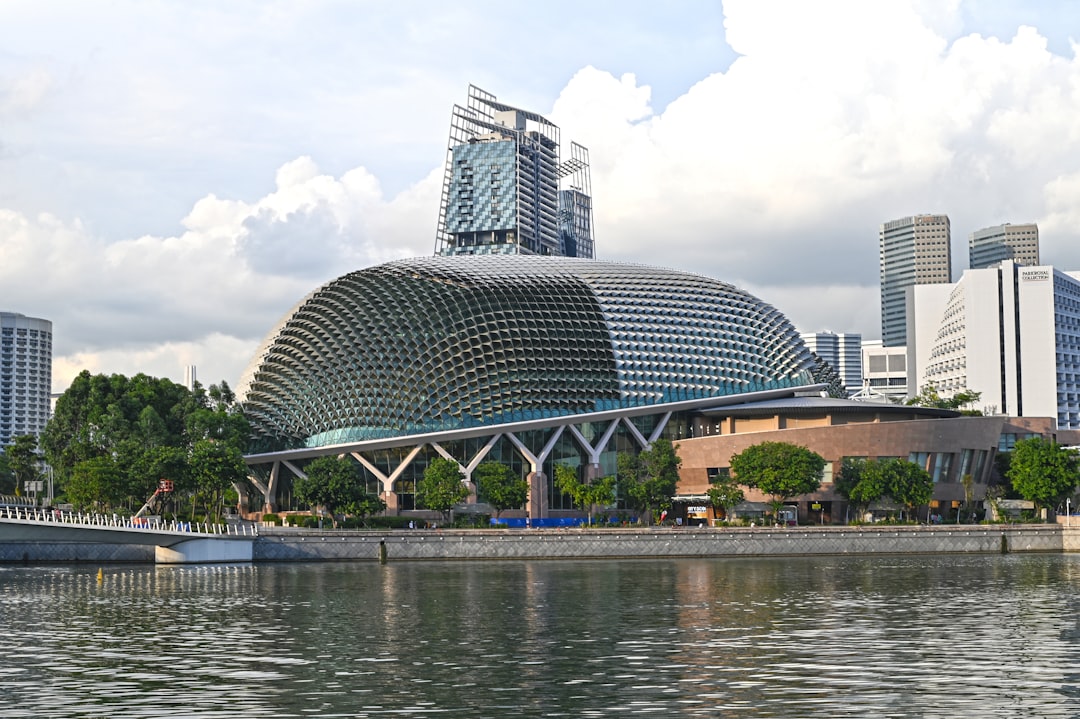
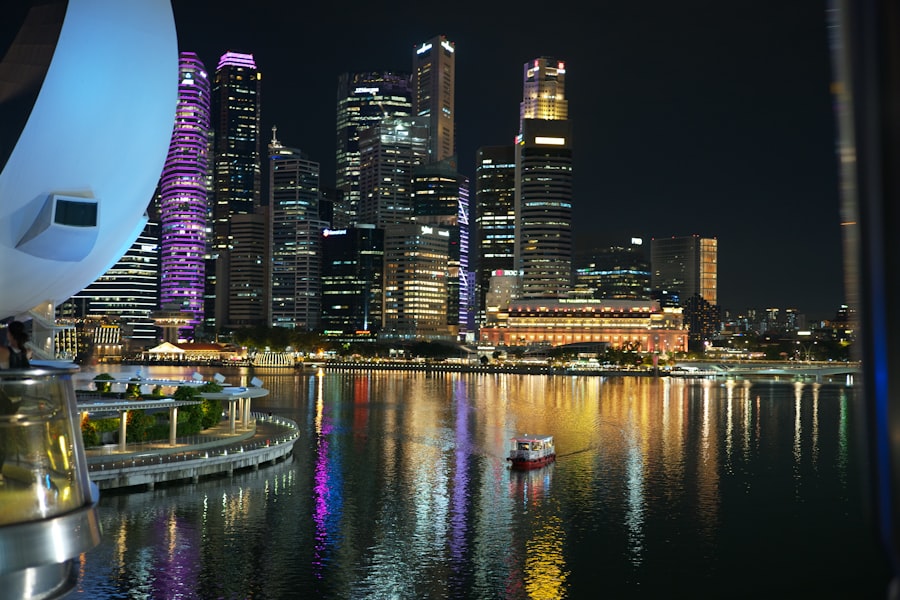
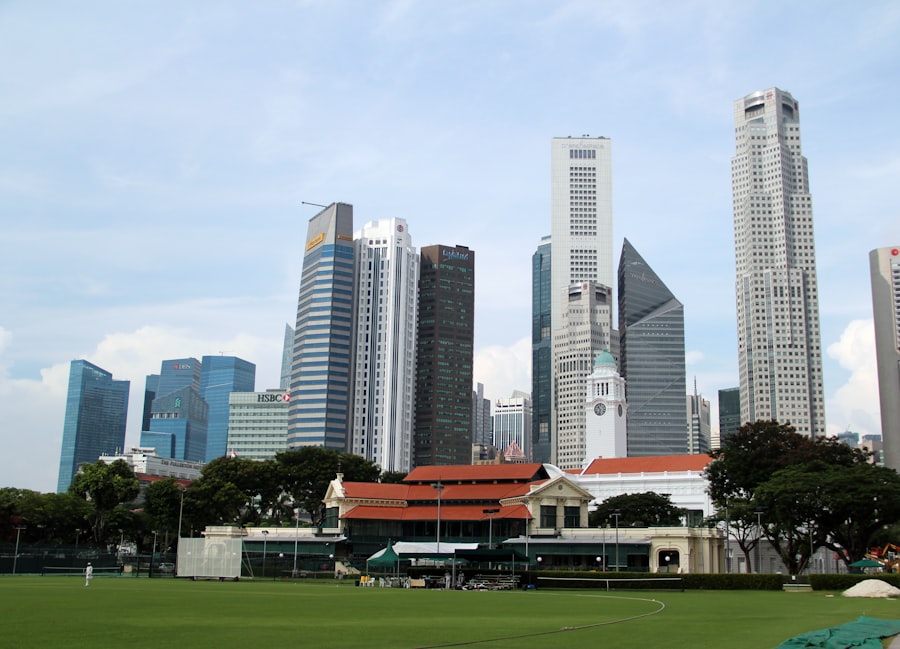
My first impressions of Singapore’s urban landscape were largely consistent with what I had imagined: modern, meticulously maintained, and geometrically precise. The architecture is a blend of sleek skyscrapers and more traditional colonial-era buildings, creating a somewhat eclectic but organized visual tapestry. There’s a notable absence of visible disarray, suggesting a sustained effort in urban planning and maintenance. The streets were clean, and the public spaces, even in the bustling commercial districts, felt remarkably orderly.
Public Transport System
The MRT (Mass Rapid Transit) system quickly became my primary mode of transport. Its efficiency and widespread network made navigating the city straightforward. The trains were punctual, air-conditioned, and generally uncrowded, even during what seemed like peak hours. Each station was clearly signposted, and automated announcements in English provided clear instructions. This reliability allowed me to make the most of my limited time, minimizing travel-related stressors.
Culinary Exploration: A Practical Approach to Food
One of my primary objectives during this layover was to sample a range of local foods. I approached this with a focus on accessibility and authenticity, rather than seeking out Michelin-starred establishments. My strategy involved frequenting hawker centers and unpretentious local eateries.
Hawker Centers: A Pragmatic Choice
The hawker centers proved to be excellent venues for a practical culinary exploration. My first stop was Lau Pa Sat, a Victorian-era market hall converted into a food court. The sheer variety of stalls was notable, offering a diverse array of Singaporean and regional dishes. I gravitated towards stalls with visible queues, a reliable indicator of popularity and, often, quality. Over the course of my stay, I sampled dishes such as Hainanese chicken rice, char kway teow, laksa, and satay. The prices were reasonable, and the food consistently met a standard of savory satisfaction. The open-air setting and the communal dining experience were also points of interest.
Diverse Dietary Options
Beyond the hawker centers, I also ventured into some of the more established dining precincts. In Little India, I explored vegetarian South Indian thalis, encountering a different set of flavors and textures. In Chinatown, I found noodle stalls and dim sum restaurants that catered to various preferences. What struck me was the pervasive availability of both local and international cuisines, catering to a wide range of tastes and dietary requirements. This culinary diversity is evidently a cornerstone of Singaporean life.
Cultural Observations: A Multi-Ethnic Mosaic
Singapore’s reputation as a melting pot of cultures was evident during my interactions and observations. The coexistence of different ethnic groups, primarily Chinese, Malay, and Indian, creates a distinct social fabric.
Religious and Ethnic Harmony
I visited several places of worship: a Buddhist temple in Chinatown, Sri Mariamman Temple (Singapore’s oldest Hindu temple) in Little India, and Sultan Mosque in Kampong Glam. What was evident was the proximity of these sites to one another, often within walking distance. This spatial arrangement seemed to reflect a broader societal commitment to religious tolerance and multi-ethnic harmony. I observed people of various backgrounds coexisting in public spaces, conducting their daily routines without overt tension. This level of societal integration is something I noted as a distinguishing characteristic.
Architectural Heritage
The various ethnic enclaves also showcased distinct architectural styles. Chinatown, for instance, featured shophouses with traditional facades, contrasting with the more ornate and colorful buildings in Little India. Kampong Glam, the Malay-Arab quarter, had its own unique architectural flavor, centered around the striking Sultan Mosque. These preserved heritage areas offer a visual record of Singapore’s historical development and its multiple cultural influences. Walking through these districts felt like stepping into different historical periods, each with its own character and atmosphere.
Green Spaces and Urban Planning: The ‘Garden City’ Concept
“`html
| Metrics | Statistics |
|---|---|
| Number of Layovers | Thousands per year |
| Average Layover Duration | 6-8 hours |
| Top Activities | Shopping, Dining, Sightseeing |
| Transport Options | MRT, Taxi, Shuttle Services |
“`
Singapore is often referred to as a “Garden City,” and my experiences confirmed this descriptive. The integration of nature into the urban environment is a prominent feature of the city’s design.
Gardens by the Bay
Gardens by the Bay was a notable example of this urban planning philosophy. I walked through the Supertree Grove and explored the surrounding gardens. The scale of the horticultural displays and the innovative use of vertical gardens were impressive. While the Cloud Forest and Flower Dome require an admission fee, the outdoor gardens are freely accessible and offer a pleasant reprieve from the urban bustle. The planning behind such a large-scale project, maintaining lush greenery in a high-density urban setting, indicated a deliberate attempt to enhance the quality of urban life through nature.
Parks and Green Connectors
Beyond the major attractions, I also encountered numerous smaller parks and green spaces interspersed throughout the city. These varied from meticulously landscaped gardens to more naturalistic areas. The concept of “park connectors”—networks of pathways linking different green spaces—was also apparent. This commitment to green infrastructure provides accessible recreational opportunities for residents and visitors alike, contributing to a sense of well-being within a highly developed urban environment. The air quality, despite the city’s density, felt surprisingly clean, a possible benefit of this extensive greening effort.
My layover in Singapore provided a concise yet comprehensive overview of a meticulously managed, multi-faceted urban center. It affirmed its reputation for efficiency, cultural diversity, and thoughtful urban planning. While not an overtly emotional journey, it offered a valuable opportunity to observe and appreciate a distinct approach to city living.
Leave a Reply